
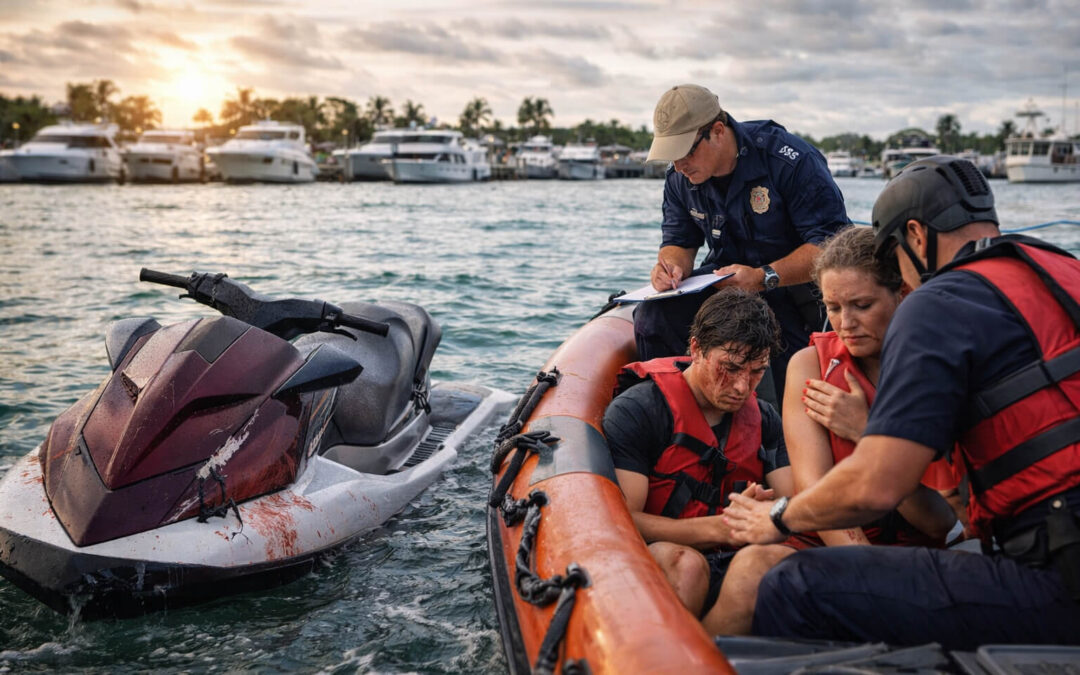
Jet ski accidents in Fort Lauderdale can turn a fun day on the water into a stressful situation fast. If you were injured on a rental, you may face confusing questions about liability, waivers, and insurance coverage. This is where a Maritime attorney can help you understand your rights and next steps. Knowing what to do immediately after the accident can protect both your health and your potential claim. From medical care to documenting evidence, each step matters.
This guide walks you through what to do after a jet ski accident and when maritime law may apply to your case in Florida.
Why Jet Ski Accidents Are More Complicated Than They Seem
Jet skis, also called personal watercraft, operate differently from cars. That changes how accidents are handled.
Rental situations add more layers, including:
- Liability waivers you may have signed
- Rental company responsibilities
- Operator negligence or inexperience
- Insurance coverage limitations
If your injury involves a personal watercraft rental injury Fort Lauderdale, your case may fall under maritime law instead of standard personal injury rules. That’s why many injured riders turn to a Maritime attorney early.
Step-by-Step: What to Do Immediately After a Jet Ski Accident
The moments after an accident matter more than most people realize. Taking the right steps can protect your health and your legal options.
1. Get Medical Attention Right Away
Your safety comes first. Even if injuries seem minor:
- Internal injuries may not show immediately
- Adrenaline can mask pain
- Medical records support your claim later
Always seek professional medical care as soon as possible.
2. Report the Accident
In Florida, boating and jet ski accidents must often be reported. You should notify:
- Local law enforcement or marine patrol
- The rental company
- Coast Guard (in serious cases)
Official reports help establish what happened and when.
3. Document Everything You Can
Evidence fades quickly on the water. If possible, gather:
- Photos of injuries and the jet ski
- Contact details of witnesses
- Rental agreements or waivers
- Weather and water conditions
This documentation becomes valuable if you later speak with a Jet ski accident lawyer Fort Lauderdale.
4. Avoid Admitting Fault
It’s natural to talk after an accident, but be careful. Do not:
- Apologize in a way that suggests fault
- Make assumptions about what happened
- Accept blame without full information
Let the facts and investigation determine liability.
Understanding Liability in Rental Jet Ski Accidents
Not every accident is straightforward. Several parties may share responsibility.
Potentially liable parties include:
- The jet ski operator
- The rental company
- Another rider or vessel operator
- Equipment manufacturers (in rare cases)
Rental companies must provide safe equipment and proper instructions. If they fail, they may be held accountable. A Maritime attorney can evaluate these factors and determine who is responsible.
When Maritime Law May Apply
Many people assume all accidents follow standard personal injury laws. That’s not always true.
Maritime law may apply if:
- The accident occurred on navigable waters
- The activity involved a vessel (including jet skis)
- The incident relates to maritime activity
This changes:
- How liability is determined
- What damages you can recover
- Filing deadlines and legal procedures
If you’re unsure, reviewing your situation with a professional through resources like a guide explaining maritime law application can help clarify your case.
What Evidence Strengthens Your Claim
Strong cases rely on strong evidence. Here’s what helps most:
- Medical records and bills
- Accident reports
- Witness statements
- Photos and videos
- Rental agreements
These details help a Jet ski accident lawyer Fort Lauderdale clients rely on build a clear and persuasive claim.
Common Causes of Jet Ski Accidents in Fort Lauderdale
Understanding what caused your accident matters for proving negligence. Frequent causes include:
- Inexperienced operators
- Speeding or reckless driving
- Lack of proper instruction from rental companies
- Equipment failure
- Crowded waterways
When negligence is involved, you may have the right to compensation.
How a Maritime Attorney Can Help
Handling a jet ski accident claim alone can feel overwhelming. Maritime law adds another layer of complexity.
A Maritime attorney can:
- Review your case and identify liability
- Interpret rental waivers and contracts
- Handle insurance negotiations
- Build a strong legal strategy
- Represent you if the case goes to court
If your injury involves boating or rental equipment, exploring services related to marine personal injury law can give you a clearer path forward.
When to Speak With a Lawyer
Timing matters more than most people think. You should contact a Maritime attorney if:
- You suffered injuries requiring medical care
- Liability is unclear or disputed
- A rental company is involved
- Insurance claims are denied or delayed
Early legal guidance helps avoid costly mistakes.
Know Your Options After a Jet Ski Accident
Jet ski accidents can leave you dealing with pain, expenses, and uncertainty. Acting quickly and documenting everything puts you in a stronger position. A Maritime attorney can help you understand your rights, especially when rental agreements and maritime law are involved. If you need guidance, don’t wait—reach out to us and get clear answers about your next steps.