
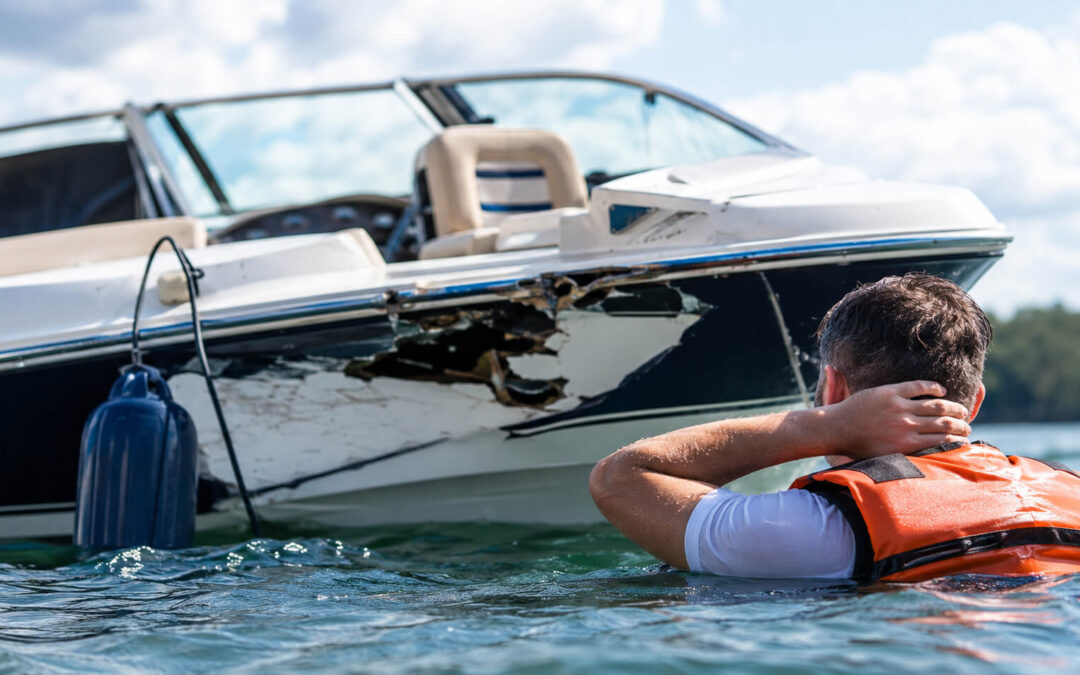
South Florida’s waters are among the busiest in the country, and with all that activity comes risk. When a day on the water ends in injury, the questions come fast: Who’s responsible? What are my rights? How do I even begin a claim? Boating accident cases aren’t ordinary personal injury cases — they can fall under maritime law, which has its own rules, deadlines and complexities. This guide explains what to do after an accident and how an experienced marine injury lawyer in South Florida can help protect your right to compensation.
Please note: This article is general information, not legal advice. Every case is different, and the facts of your situation matter. For guidance on your specific circumstances, speak with a qualified attorney.
What to Do After a Boating Accident
The steps you take in the hours and days after an accident can affect both your health and any future claim:
- Get to safety and seek medical attention. Some injuries — including concussions and internal injuries — aren’t obvious right away. A prompt medical evaluation protects your health and creates an early record.
- Report the accident. Florida law requires that certain boating accidents be reported to the proper authorities, such as the Florida Fish and Wildlife Conservation Commission or the Coast Guard, particularly when there is injury, death or significant property damage.
- Document everything. Photograph the vessels, the scene, visible injuries and conditions. Note the time, location and weather.
- Gather information. Collect names and contact details for the operators, passengers and any witnesses, along with vessel registration and insurance information.
- Be careful what you say. Avoid admitting fault or speculating about causes. Stick to facts when speaking with authorities.
- Talk to a maritime attorney before you talk to an insurer. Insurance adjusters work to limit payouts. Legal counsel can help you avoid early mistakes.
Why Boating Accidents Are Different: Maritime Law
Here’s what surprises many injured boaters: a lot of personal injury attorneys don’t handle these cases. Accidents on navigable waters can fall under maritime law (also called admiralty law), a distinct body of federal law that governs disputes originating on the water. Whether maritime jurisdiction applies depends on factors like where the accident happened and the nature of the activity — and that determination alone can shape your entire claim.
Because maritime law blends modern statutes, centuries-old doctrines and specific procedural rules, having a lawyer who focuses on this area matters. Irwin Law Firm’s practice centers on exactly these cases, from recreational boat accident claims to cruise ship injury claims and broader marine personal injury matters.
Deadlines That Can Limit Your Claim
One of the biggest reasons to act quickly is that maritime cases often carry shorter deadlines than typical injury claims:
- Cruise ship passengers frequently face contractual limits printed right on the ticket. In many cases, the window to file suit is one year — not the longer period that applies to ordinary claims — and some tickets require written notice in as little as six months. Tickets may also require that suit be filed in a specific court.
- Injured crew members (“seamen”) may have rights under the Jones Act, federal legislation that allows qualifying seamen to pursue negligence claims against their employers, along with related protections like “maintenance and cure.” Whether someone legally qualifies as a “seaman” is itself a question that often requires legal analysis.
Miss a deadline, and you can lose the right to recover altogether — which is why an early consultation is so valuable.
What Compensation May Be Available
Every case is unique, but injured boaters and passengers in Florida may be able to pursue boating accident compensation for costs such as medical expenses, lost income, pain and suffering, and other losses tied to the accident. For injured crew, additional remedies may apply under the Jones Act and the doctrine of unseaworthiness. The value and viability of any claim depend heavily on the specific facts, the applicable law, and the deadlines involved — no reputable attorney can promise a particular outcome. What a skilled lawyer can do is evaluate your situation, identify the applicable rules, and pursue the fullest recovery the facts support.
How a Marine Injury Lawyer in South Florida Helps
An experienced maritime attorney can:
- Determine whether maritime jurisdiction and statutes like the Jones Act apply to your case.
- Identify and preserve critical evidence before it disappears.
- Handle communications with insurers and opposing parties.
- Track the tight deadlines that govern maritime claims.
- Build and pursue your claim for compensation.
Irwin Law Firm is led by David E. Irwin, Esq., a South Florida native who has worked in the local marine industry for more than two decades and focuses on maritime and admiralty matters. You can read more about your maritime attorney and the firm’s approach to representing injured passengers, crew and vessel owners across Fort Lauderdale, Miami and the surrounding area.
Talk to Irwin Law Firm
If you or a loved one was hurt on the water, don’t wait — those maritime deadlines can be unforgiving. Reach out to Irwin Law Firm and ask about a free consultation to discuss your boating accident and your options. Contact us today, or call to speak with an experienced maritime lawyer serving South Florida.